The twentieth and twenty-first centuries have witnessed an intermedial dialogue between verbal and visual representations along with avant-garde art movements. Both literary and artistic historiography notice an alternative of ut pictura poesis in the notion of intermediality between poetry and visual art, especially since the experimentation of poets from Imagism and early modernism. Ezra Pound’s ideogram, Wyndham Lewis’s vortex, William Carlos Williams’s ekphrasis, Wallace Stevens’ art collection, as well as Gertrude Stein’s verbal portrayal, as well as show their shared interest in and inspiration from a formal or technical transformation of modern art, such as Futurism, Dada, Cubism, Fauvism, Surrealism, Abstract Expressionism, etc. Through the ongoing inventive confabulation between these various artforms, ranging from literature, painting, photography, theatre, cinema, and other media, modernist and contemporary poets choose to approach their medium via non-representational art and discard the mimetic principles so as to access a new model of poetic expression. Therefore, this special issue intends to explore the multiple manifestation of poetic experiments across different media, disciplines, and cultures. Intermedial poetry might refer to those specific generic crossovers in a highly refashionable manner: for example, ekphrasis, visual/graphic poetry, concrete poetry, illustration, photo poetry, cinematic poetry, poetic theatre, and so forth. Beyond visual influence or painterly effect, our collection of paper aims to offer a more broadened, encompassing view by casting lights on the spectatorship, aesthetic form as alter identity, and interdisciplinary consideration of contemporary art practices. It will try to answer these research questions in general: au fond, what is the difference between traditional textual poetics and the poetics of intermediality? How does the latter function and perform among distinctive modes of artforms or media? Moreover, how is intermediality as an actual agency devised to facilitate these communications across different domains, whether aesthetic, technological, or ideological?
 Oriental Healing: Chinese Horizons for Western CrisesNovoe Literaturnoe Obozrenie (confirmed).
 The Somaesthetics of Avant-Garde FashionLiterature Compass, vol. 24, 2027 (forthcoming).
 "A sterile promontory": Archival Space and Late Modernist Dramaturgy in Tom Stoppard’s Rosencrantz and Guildenstern Are DeadAtlantis: Journal of the Spanish Association for Anglo-American Studies, vol. 49, 2027 (forthcoming).
 "Sumptuous materials": Elsa Schiaparelli’s Wearable Artforms and Tactile Modernism (in Russian)Novoe Literaturnoe Obozrenie, no. 201, 2027 (forthcoming).
 Beyond Ideogrammic Method: Pacific Rim Modernism and the East-Asian Aesthetics of E. E. Cummings’ "Poempictoriality"Mosaic: An Interdisciplinary Critical Journal, vol. 57, no. 2, 2024 (forthcoming).
 Introduction: Towards an Alternative Poetics of IntermedialityIntermedial Poetries: Alternative Methods and Practices, special issue of Journal of Comparative Literature and Aesthetics, vol. 47, no. 2, 2024, pp. 1-7.
 Mina Loy, Logopoeia, and The Alphabet that Builds ItselfThe Modernist Review, issue 39, 4 April 2022.
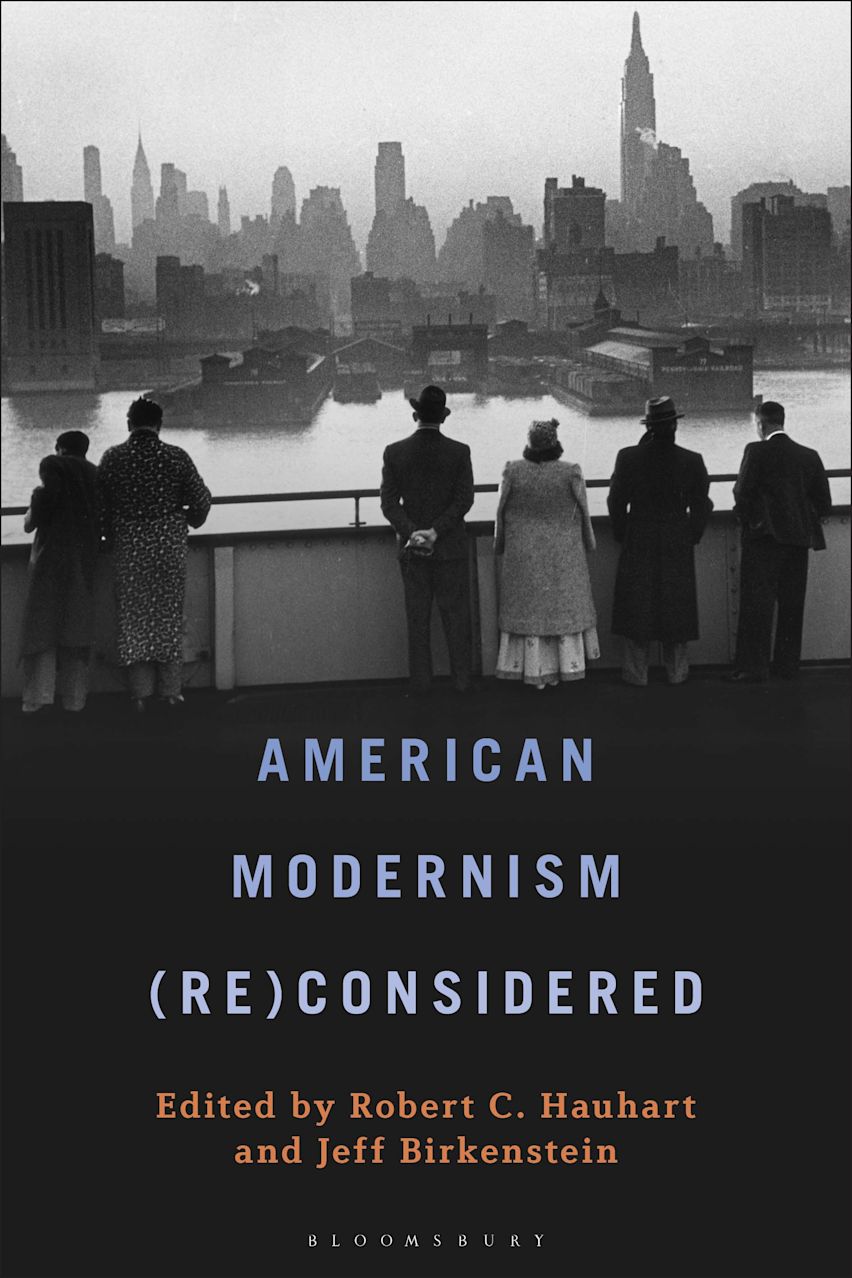
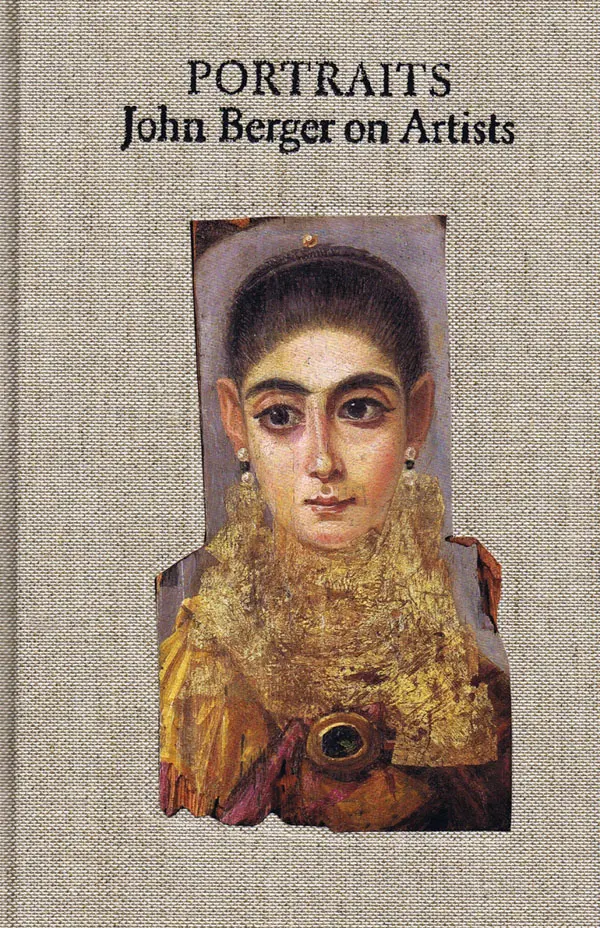 Portraits: John Berger on Artists (in Chinese)By John Berger, Beijing: Imaginist (under contract).
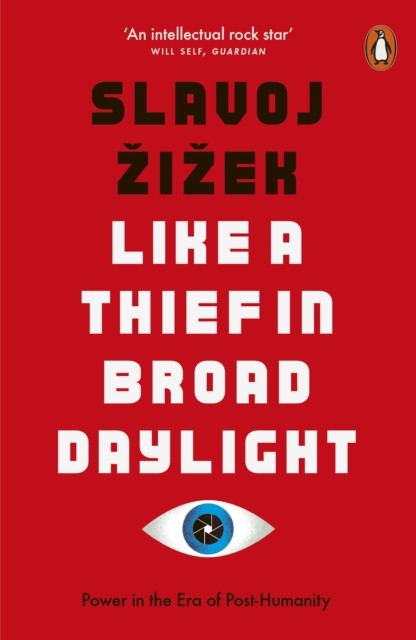 Like a Thief in Broad Daylight: Power in the Era of Post-Humanity (in Chinese)By Slavoj Žižek, Beijing: Social Sciences Academic Press (under contract).